Explore
Home
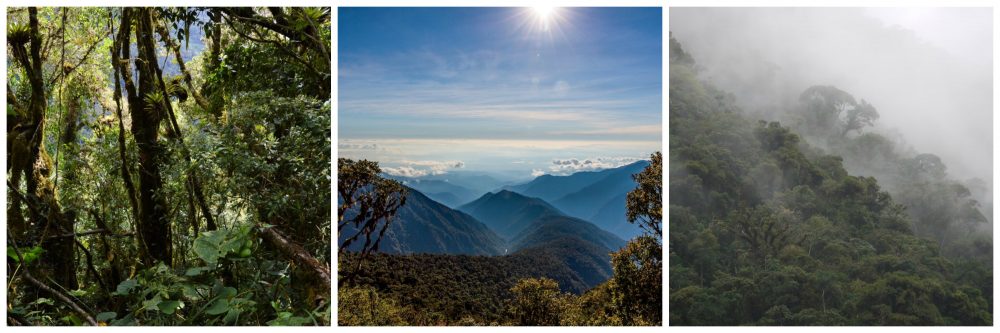
Global change, biodiversity, and ecosystem function in the Eastern Andes
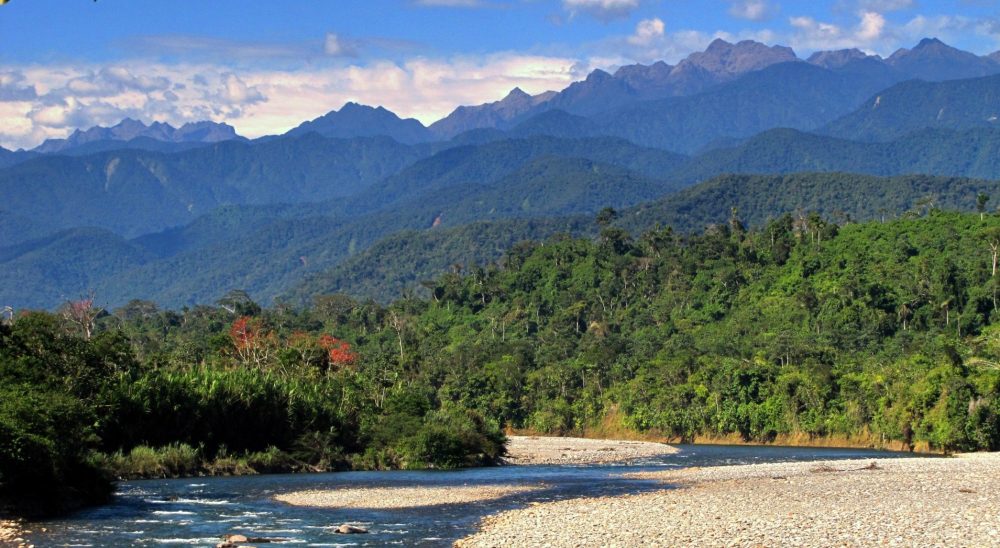
The eastern slope of the Andes harbors Earth’s highest biodiversity and is also the area most threatened by climate change. The Andes Biodiversity and Ecosystem Research Group (ABERG) is a team of researchers from universities around the world dedicated to understanding biodiversity distribution and ecosystem function in the Peruvian Andes. Since 2003, we have been using a 3.5-kilometer elevational gradient spanning from the Andean highlands to the Amazonian lowlands as a natural laboratory for understanding biodiversity and ecosystem function in time and space and to refine predictions for how tropical forests will respond to climate and anthropogenic change. Combining modern and paleoecology, climate science, distributional ecology, and cutting-edge remote sensing techniques, we are gaining a comprehensive understanding of forest and ecosystem ecology across environmental gradients.
More to discover
Latest stories
Atmospheric Science
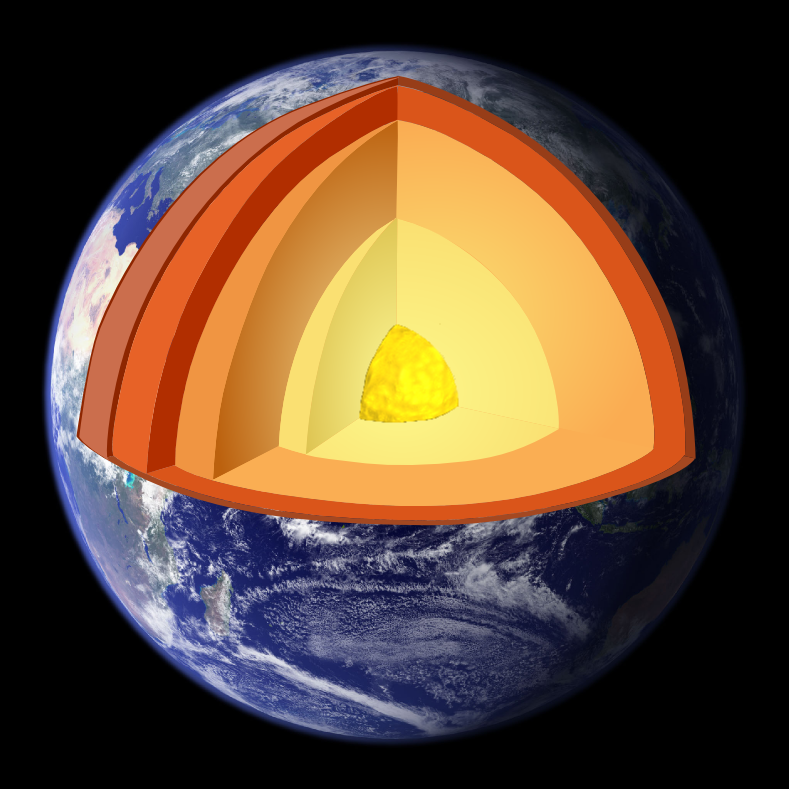
ABERG has several major atmospheric science foci within Andean ecosystems. Research in this sector of ABERG has principally been driven by work from Mark New (Oxford) and Ana Barros (Duke) although this work always includes interactions and collaboration with other ABERG scientists. Plant Atmosphere Interactions Understanding controlling factors of range limits of montane…
Biogeochemistry
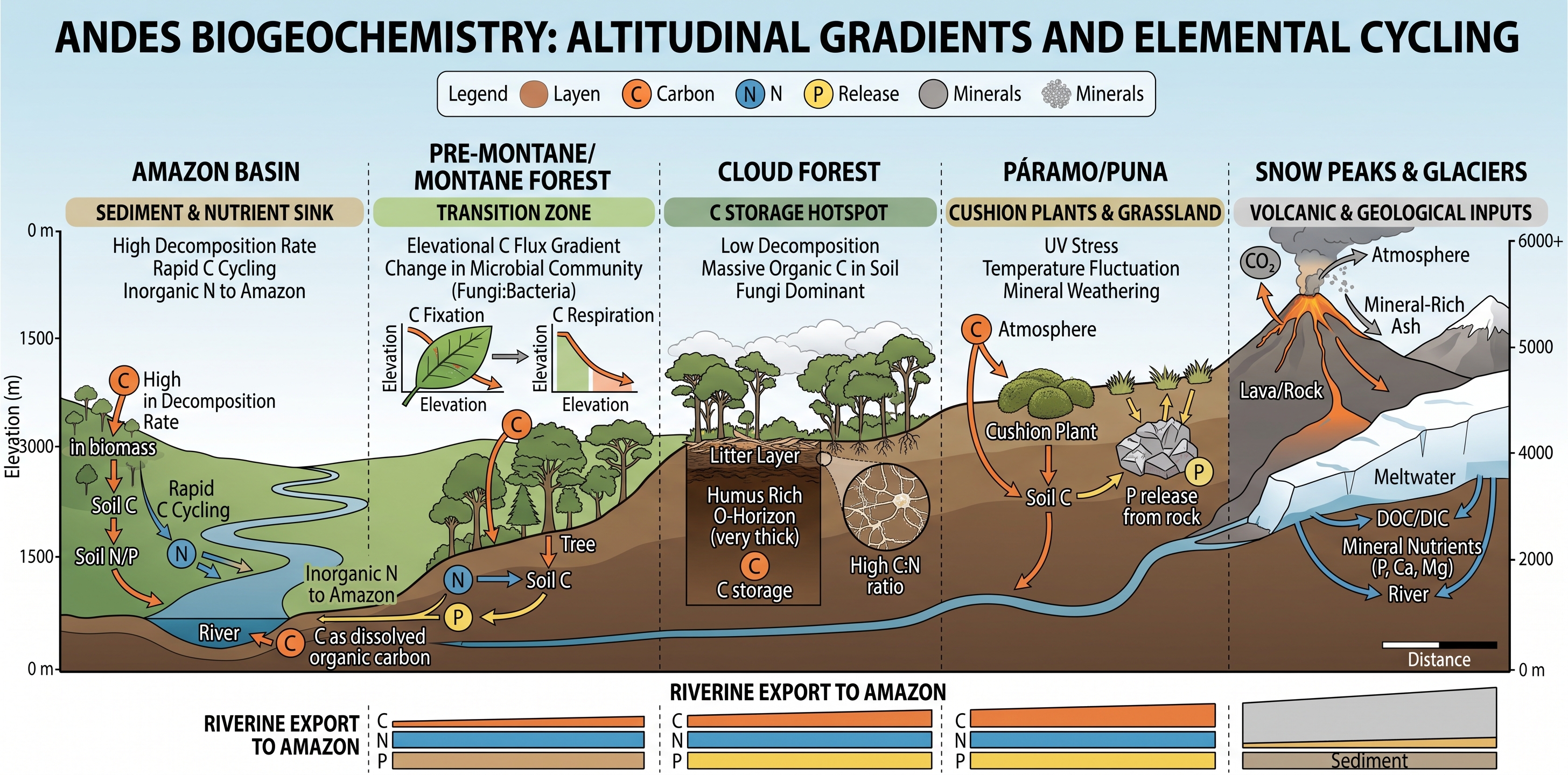
Very little is known about the biogeochemical cycling of tropical montane cloud forest systems. Despite their high levels of diversity and large below-ground carbon stocks, these communities have remained understudied. ABERG has been investigating both carbon and nutrient cycling within the tropical Andes to understand inferences for ecosystem ecology, species…
Ecosystem Ecology
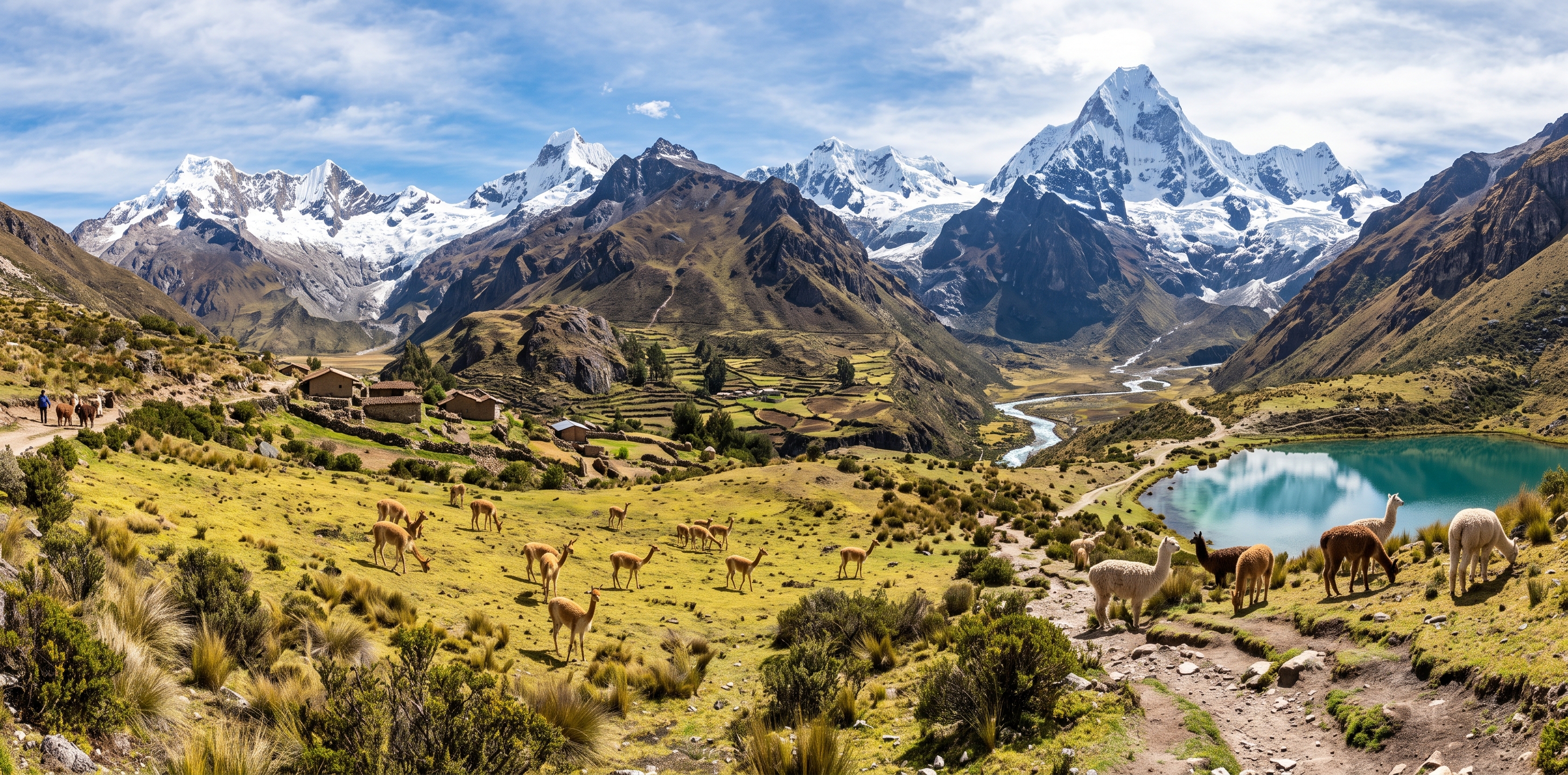
The Andean tropical montane forest ecosystem is one of the most important locations for the preservation of tropical diversity in the world. Over millennia, temperatures have caused plant populations to migrate along the eastern Andean slope in order to find their climatic niche. ABERG is focused on the past, current,…
Personnel
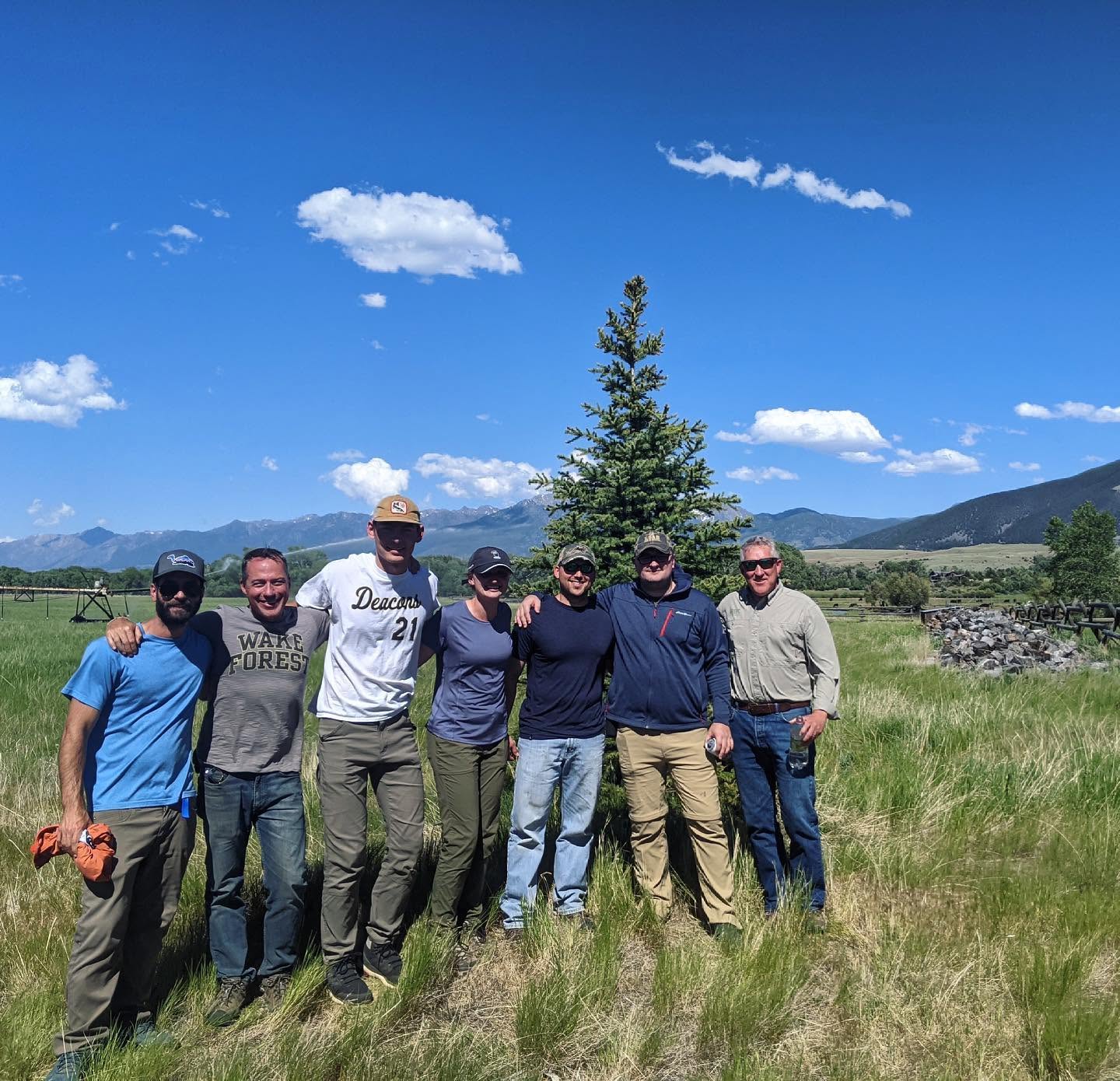
The Andes Biodiversity and Ecosystem Research Group (ABERG) is a team of 41 researchers from 12 universities dedicated to understanding biodiversity distribution and ecosystem function in the Peruvian Andes. The senior biologists in our group include 12 Principal Investigators, 17 postdocs and Peruvian researchers, and 12 graduate students. We currently…
Plant Physiology
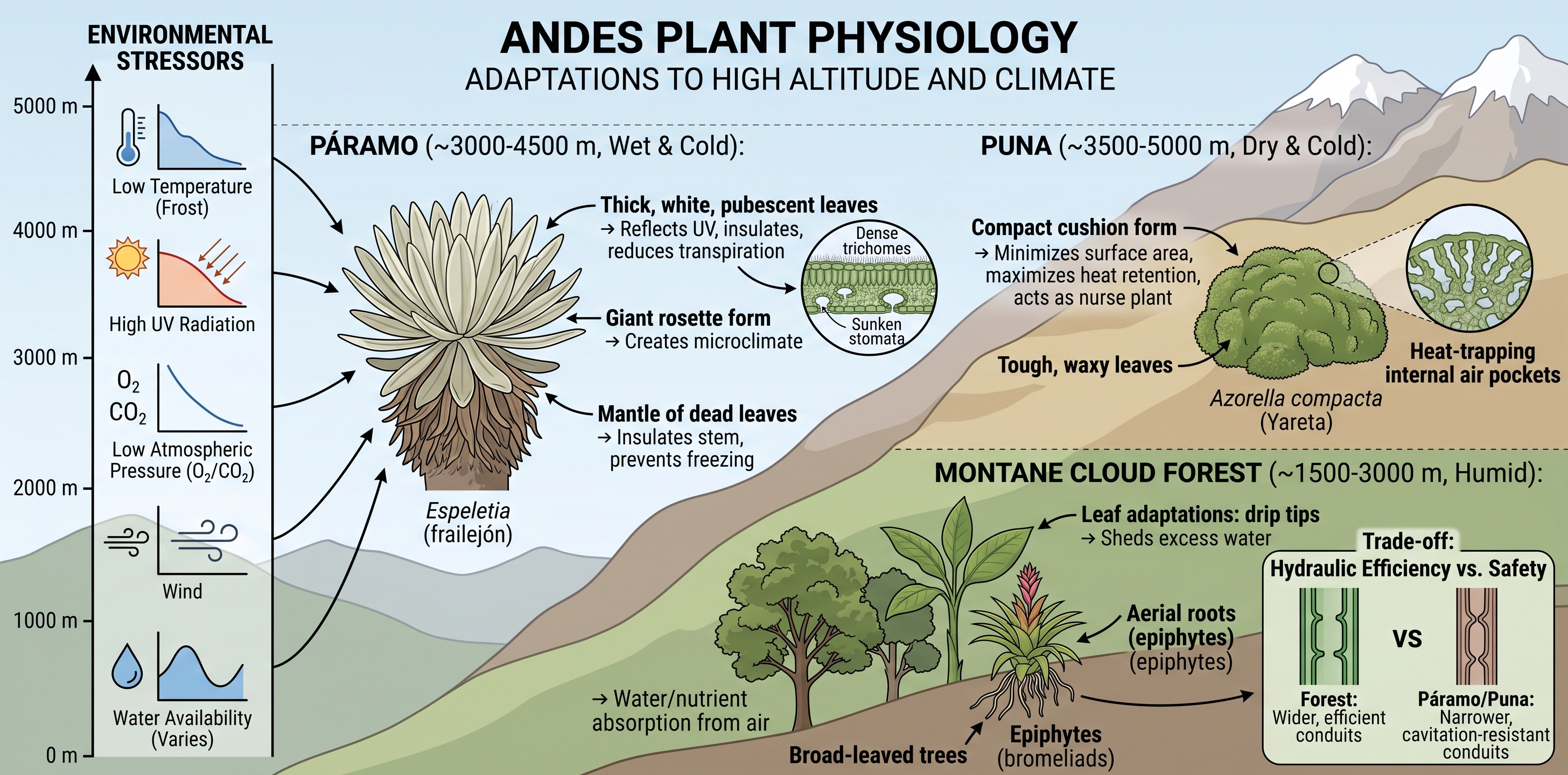
Very little is known about cloud forest species distribution, let alone their physiological properties and tolerances. Along with woody species identification, ABERG has been collecting and researching plant physiological properties of tropical species in order to understand their response to climate. Major contributors to ABERG’s plant physiology work have been Patrick…
Remote Sensing
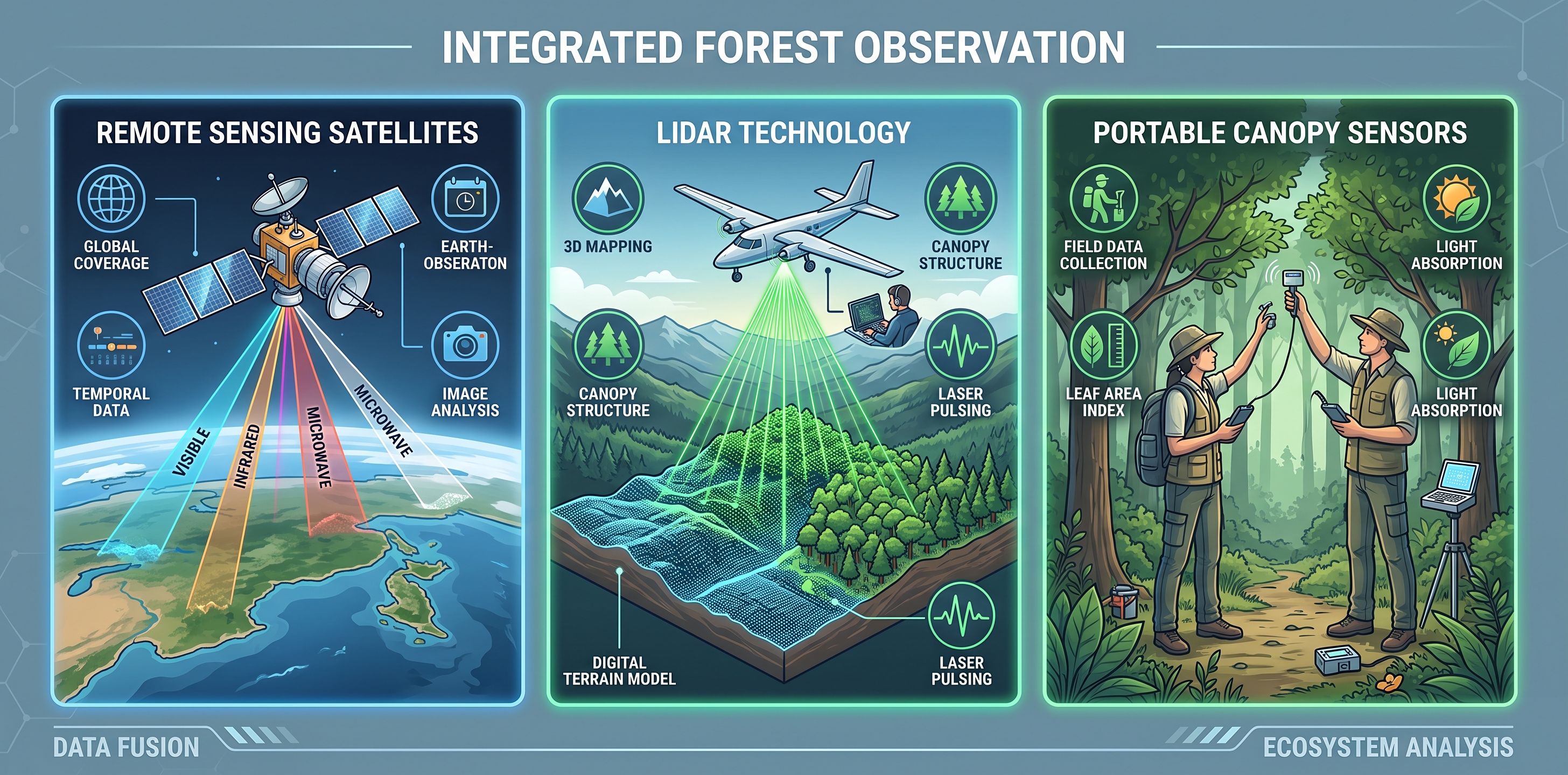
Remotely sensed data of land cover has been a primary tool for ecologists, biologists, and geographers whom work in forested ecosystems. The ABERG team contains several extremely skilled researchers specializing in the remote sensing of tropical Andean forests. Sassan Saatchi of JPL/NASA, Yadvinder Malhi of Oxford, Miles Silman of Wake Forest, and Greg Asner of…