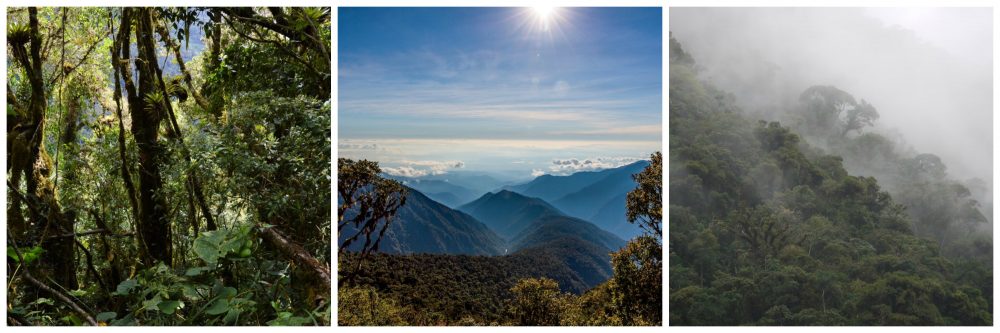
Explore
Research
The Andes Biodiversity and Ecosystem Research Group (ABERG) consists of over 40 senior scientists and over 20 Peruvian biologists and undergraduates. Together, ABERG has generated a comprehensive series of research projects on biodiversity distribution and ecosystem function in the tropical Andes. As of 2012, ABERG has published 45 scientific research articles in well-respected journals such as Ecology, Journal of Geophysical Resources, Journal of Biogeography, Philosophical Transactions of the Royal Society: Biological Sciences, and many others. In December of 2010, members of ABERG contributed 6 papers to a special issue of Global Change Biology.
ABERG scientists continue to study in the Andes and are continuing to submit research articles relating to the core research questions of the group. For a list of publications, go to the publications page where you can find a list of publications as well as a bibliographic database for the combined works of the ABERG group.
For more information on the core research areas of ABERG, you can use the menu drop-down list or select from the following:
More to discover
Latest stories
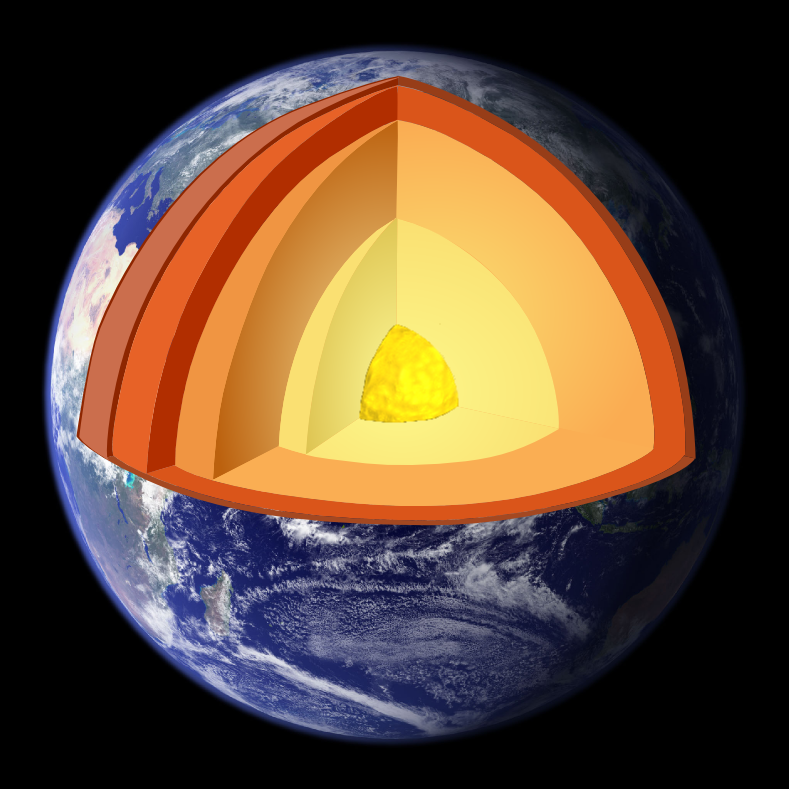
Atmospheric Science
ABERG has several major atmospheric science foci within Andean ecosystems. Research in this sector of ABERG has principally been driven by work from Mark New (Oxford) and Ana Barros (Duke) although this work always includes interactions and collaboration with other ABERG scientists. Plant Atmosphere Interactions Understanding controlling factors of range limits of montane…
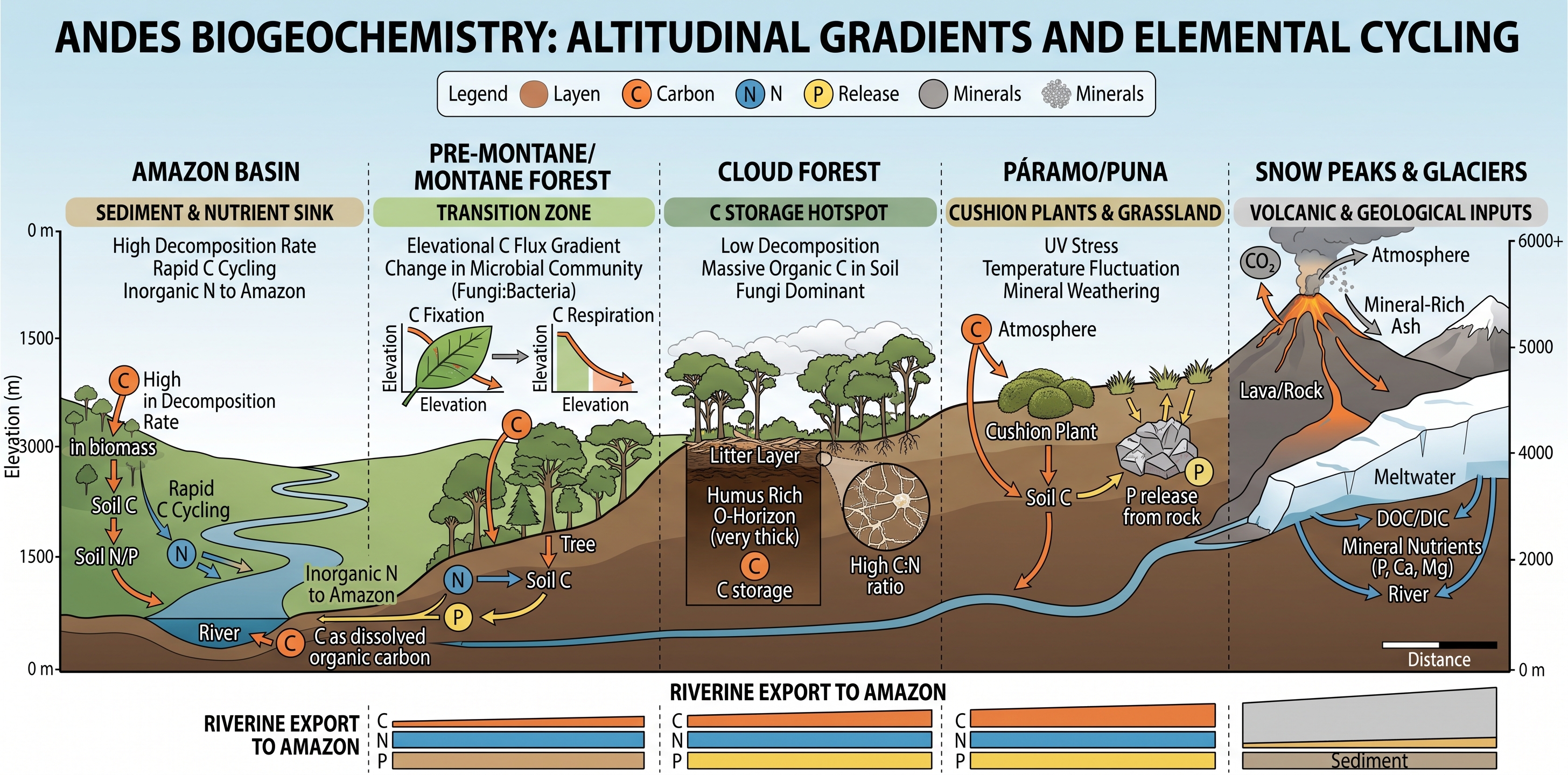
Biogeochemistry
Very little is known about the biogeochemical cycling of tropical montane cloud forest systems. Despite their high levels of diversity and large below-ground carbon stocks, these communities have remained understudied. ABERG has been investigating both carbon and nutrient cycling within the tropical Andes to understand inferences for ecosystem ecology, species…
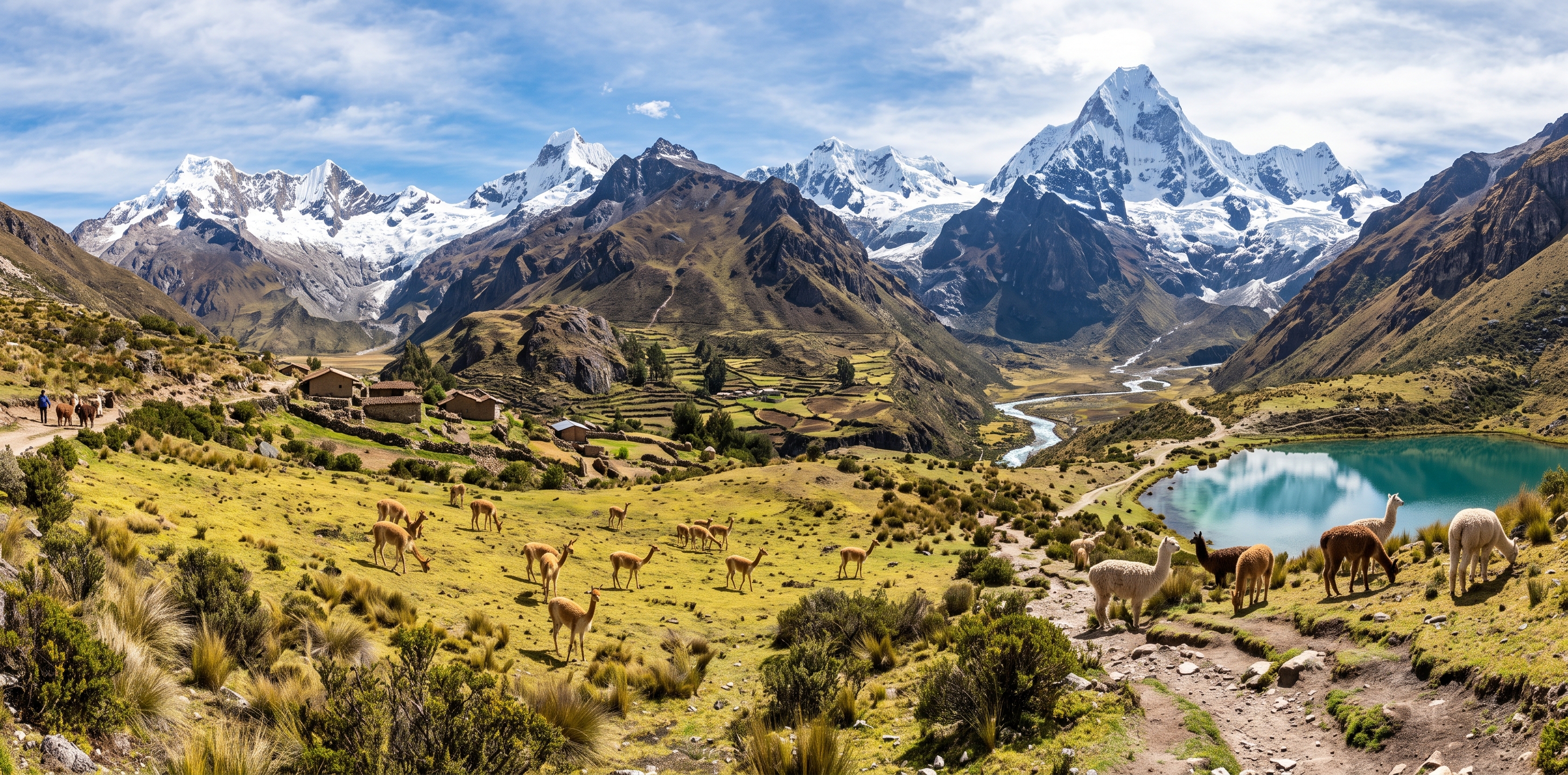
Ecosystem Ecology
The Andean tropical montane forest ecosystem is one of the most important locations for the preservation of tropical diversity in the world. Over millennia, temperatures have caused plant populations to migrate along the eastern Andean slope in order to find their climatic niche. ABERG is focused on the past, current,…
Personnel
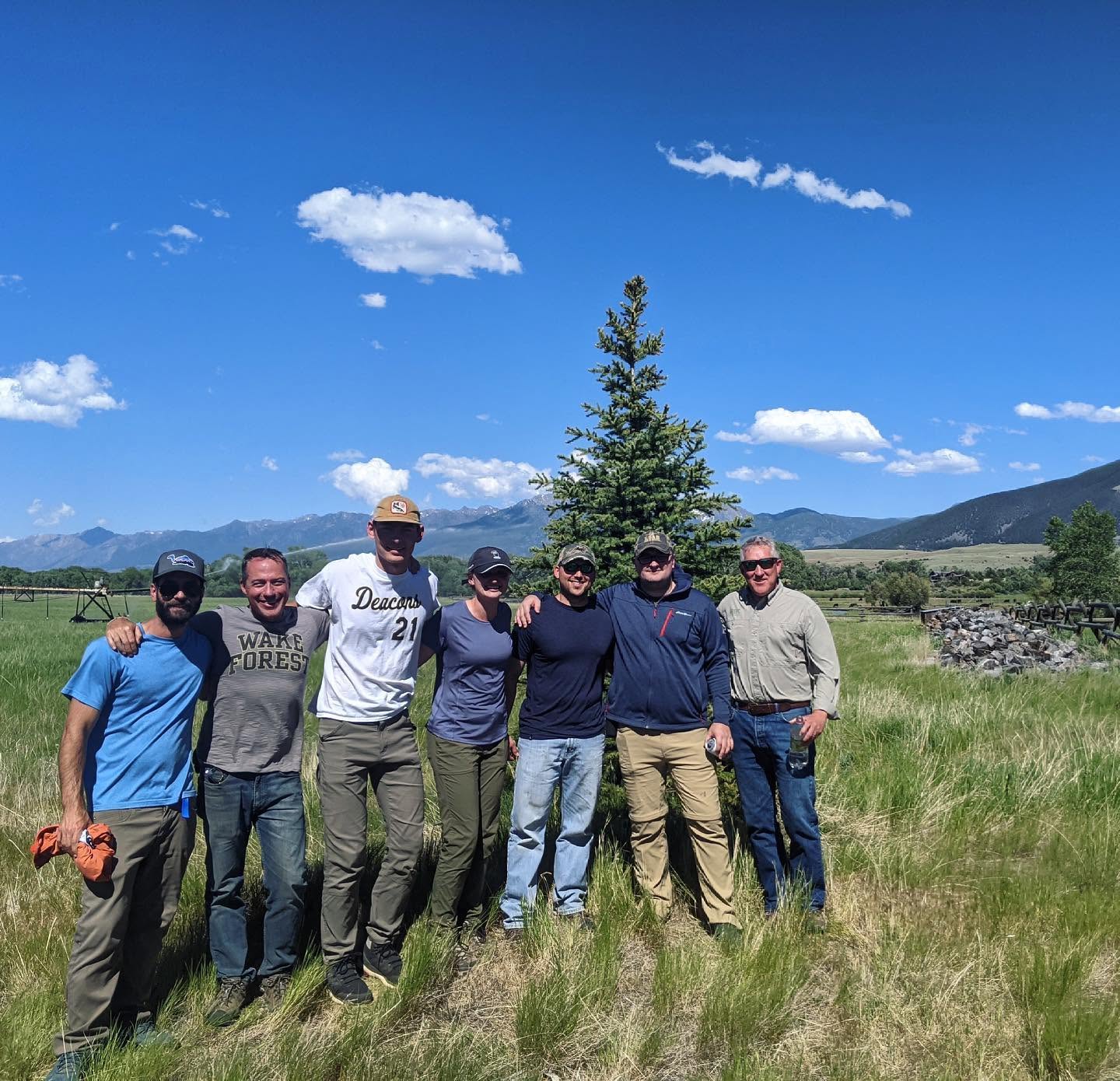
The Andes Biodiversity and Ecosystem Research Group (ABERG) is a team of 41 researchers from 12 universities dedicated to understanding biodiversity distribution and ecosystem function in the Peruvian Andes. The senior biologists in our group include 12 Principal Investigators, 17 postdocs and Peruvian researchers, and 12 graduate students. We currently…
Plant Physiology
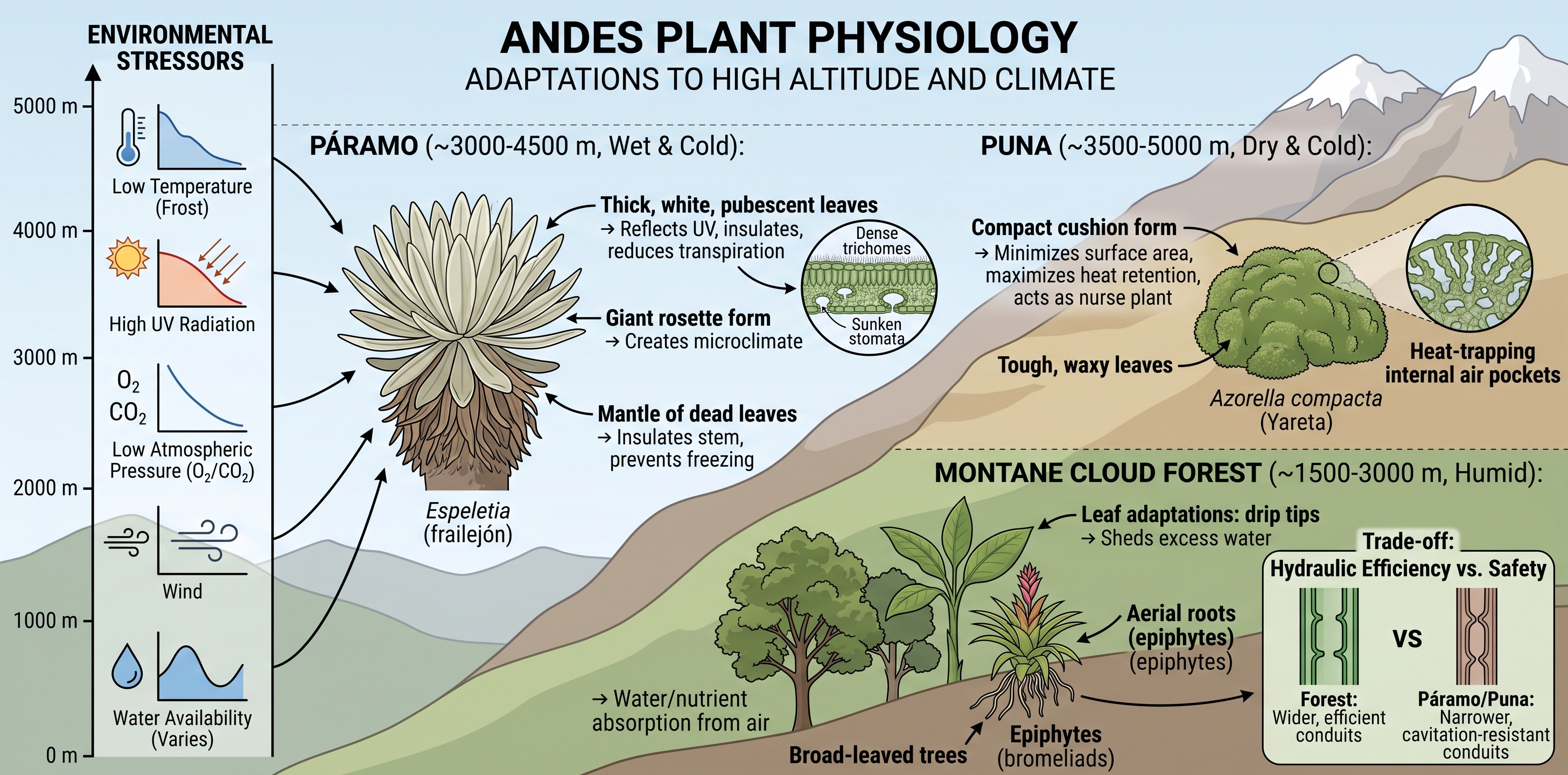
Very little is known about cloud forest species distribution, let alone their physiological properties and tolerances. Along with woody species identification, ABERG has been collecting and researching plant physiological properties of tropical species in order to understand their response to climate. Major contributors to ABERG’s plant physiology work have been Patrick…
Remote Sensing
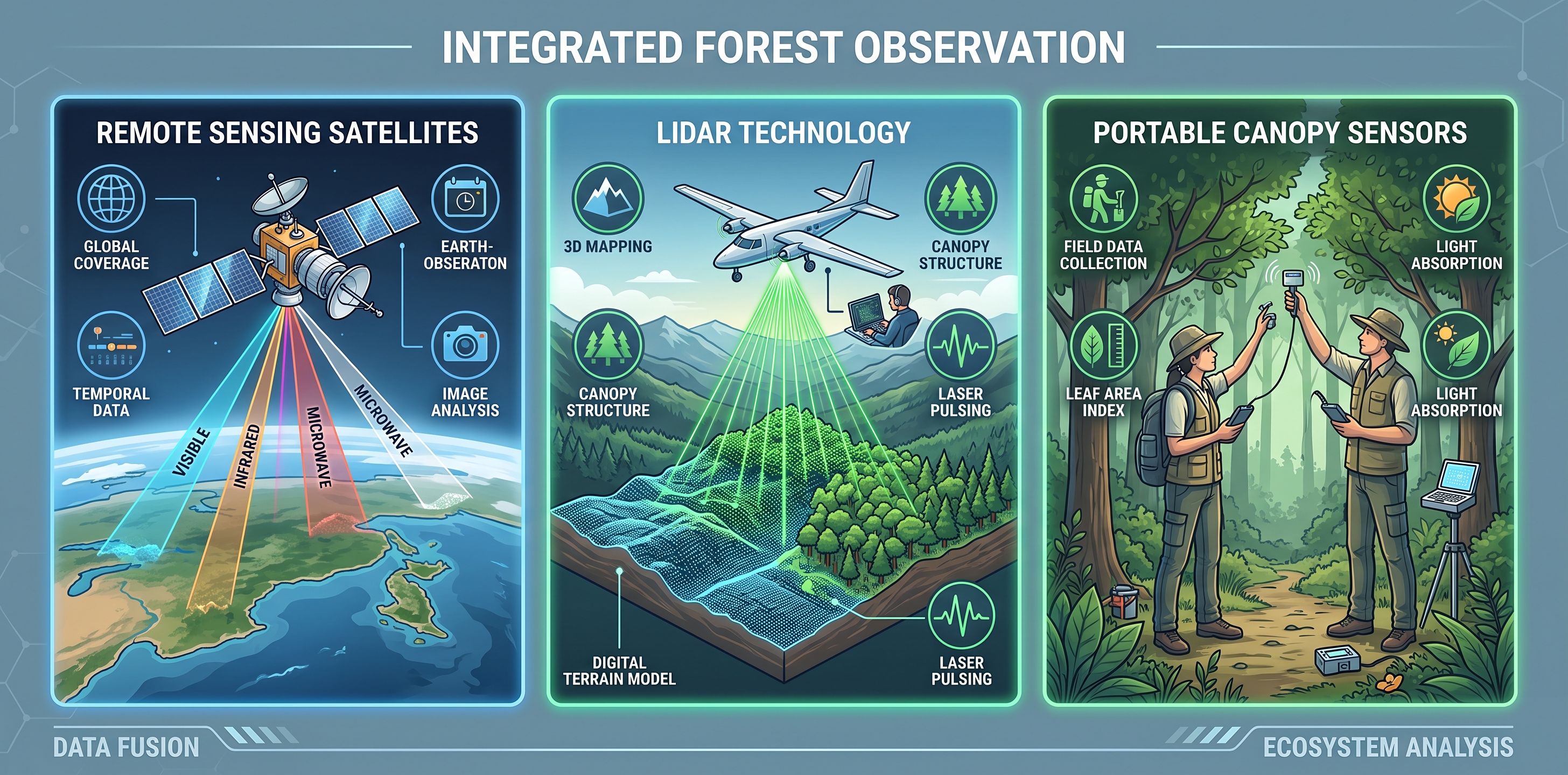
Remotely sensed data of land cover has been a primary tool for ecologists, biologists, and geographers whom work in forested ecosystems. The ABERG team contains several extremely skilled researchers specializing in the remote sensing of tropical Andean forests. Sassan Saatchi of JPL/NASA, Yadvinder Malhi of Oxford, Miles Silman of Wake Forest, and Greg Asner of…